
When people talk about Botox, the immediate association is almost always aesthetic — wrinkles, lips, a lift without surgery. This perception, though understandable, leaves out a set of fundamental therapeutic applications that place botulinum toxin at the heart of modern dentistry. Chronic jaw pain, muscular headaches, severe tooth wear, an asymmetrical smile — there is a great deal that Botox resolves beyond the wrinkle.
What Botulinum Toxin Is and How It Works
Botulinum toxin — known commercially under several names, of which Botox® is the most recognised — is a protein produced by the bacterium Clostridium botulinum. In very controlled therapeutic doses and given by injection, it works by temporarily blocking the release of acetylcholine at the neuromuscular junction, preventing the contraction of the target muscle.
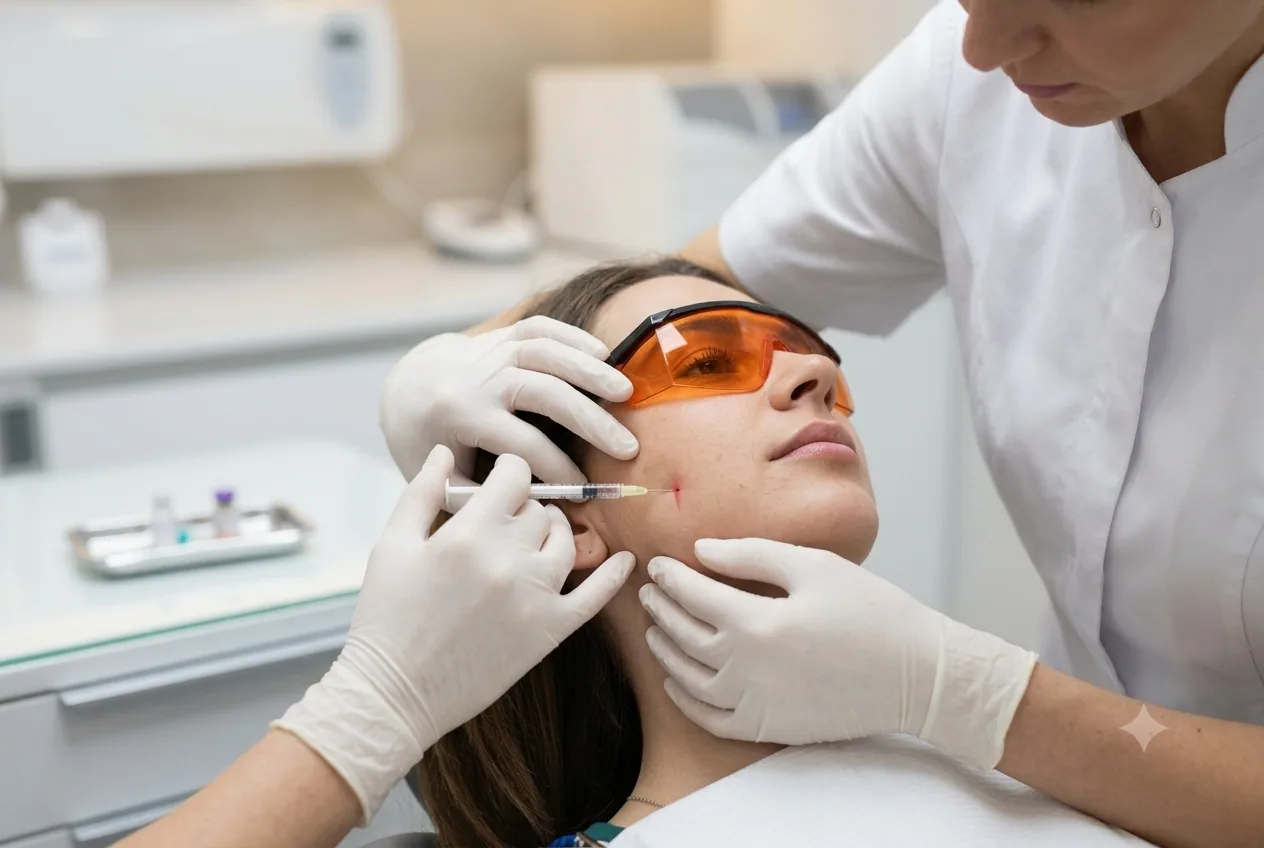
The effect is localised, reversible and predictable: the muscle relaxes without losing its structure. There are no incisions, no general anaesthetic, no downtime. The procedure is carried out in the clinic in a single session of 15 to 30 minutes, and the results appear progressively over the 5 to 14 days following treatment.
In Portugal, the use of botulinum toxin is regulated by INFARMED and by the Portuguese Dental Association (Ordem dos Médicos Dentistas). Only duly qualified doctors and dentists may carry out this procedure — which ensures a rigorous clinical assessment, correct technique and patient safety.
Therapeutic Applications in Dentistry
The therapeutic indications for botulinum toxin in a dental context are now recognised internationally and supported by a growing body of scientific evidence. At Porto Smile, its use is part of an integrated clinical protocol.
1. Bruxism — Grinding and Clenching the Teeth
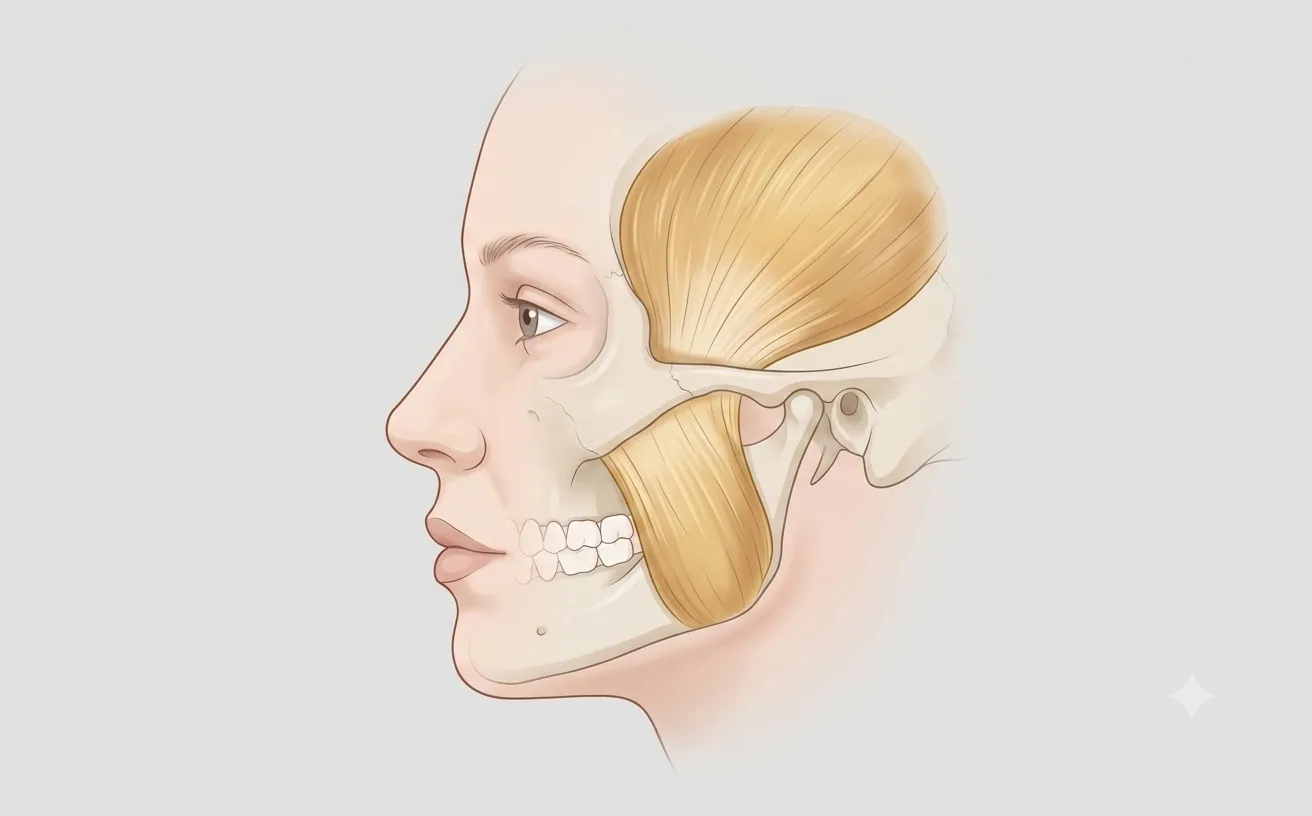
Bruxism is the involuntary, excessive contraction of the masticatory muscles — especially the masseters and the temporalis muscles — during sleep or, to a lesser extent, while awake. The consequences are progressive and serious: accelerated enamel wear, tooth fractures, increased sensitivity, morning muscle pain and headaches.
Applying botulinum toxin to the masseters and/or temporalis muscles significantly reduces the force of muscular contraction, relieving the symptoms and protecting the teeth from irreversible damage. It does not eliminate the habit, but it effectively controls its impact. The effect lasts between 4 and 6 months; with regular treatments, the muscular overactivity tends to decrease progressively.
2. Temporomandibular Disorder (TMD)
The temporomandibular joint (TMJ) is one of the most complex joints in the human body — it involves bone, cartilage, an articular disc and an extensive set of muscles. When this joint malfunctions, the result can be localised pain in the face and neck, clicking when opening the mouth, limited mouth opening, jaw locking and headaches.
In many cases of TMD, the cause or aggravating factor is muscular overactivity. Botulinum toxin, applied to the masticatory muscles involved, reduces muscular tension, relieves the pressure on the joint and improves the range of movement. It is especially effective when the TMD has a predominant muscular component — which is determined in a clinical assessment.
3. Tension Headache of Masticatory Origin
Not all headaches are neurological in origin. A significant number of headaches — especially those that arise in the temples, the nape of the neck or behind the eyes — originate in the muscular tension of the masticatory and cervical muscles. The temporalis muscle, when chronically tense (often associated with bruxism), is one of the main causes of recurrent tension headaches.
Partially deactivating the temporalis muscle with botulinum toxin can dramatically reduce the frequency and intensity of these headaches — often without the need for continuous painkillers. For patients who have taken anti-inflammatories or analgesics for years to manage this pain, this can be a transformative solution.
4. Chronic Orofacial Pain
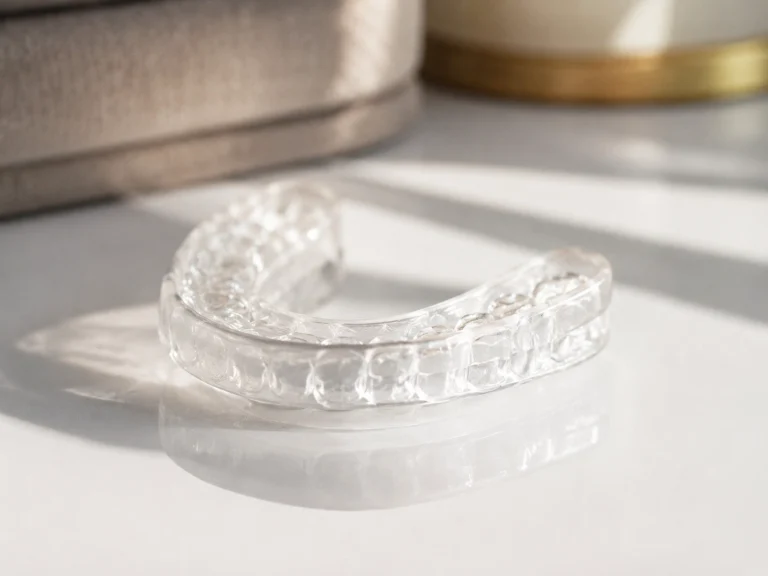
Chronic orofacial pain covers a range of painful conditions that affect the face, the mouth and adjacent structures. When it is muscular in origin, botulinum toxin acts directly on the source of the pain — the muscle in spasm or hypercontraction — providing lasting relief where conventional treatments have failed. It is used as part of a multidisciplinary protocol that may include physiotherapy, an occlusal splint and psychological support.
5. Gummy Smile
A gummy smile — characterised by excessive exposure of the gums when smiling, usually more than 3 mm above the upper incisors — can have several causes: overactivity of the upper lip, overgrowth of the maxilla or incomplete tooth eruption. When the cause is muscular, botulinum toxin applied to the muscle that raises the upper lip (levator labii superioris alaeque nasi) reduces the excessive lift of the lip, providing a more balanced and harmonious smile.
It is a quick procedure, with no downtime and immediate results. The patient can see the difference as early as the week after treatment.
6. Masseter Hypertrophy
The masseter muscles — responsible for chewing — can become enlarged through overuse (chronic bruxism, a diet of very hard foods) or through genetic predisposition. The result is a more square, bulky-looking face in the jaw region, which in some people causes aesthetic discomfort. Botulinum toxin progressively reduces the muscle volume over the 2 to 3 months following treatment, slimming the facial oval in a natural, non-surgical way. This facial-contour remodelling effect is particularly appreciated and, contrary to what one might think, does not compromise chewing function.
Aesthetic Applications with Clinical Relevance
Beyond the therapeutic indications, botulinum toxin has aesthetic applications that, in the context of a dentist trained in orofacial harmonisation, make both clinical and aesthetic sense:
- Perioral wrinkles — vertical lines above the upper lip, often associated with smoking or ageing
- Forehead and glabellar expression lines — the classic treatment, with excellent predictability of results
- Lip corner lift — correcting the “sad” expression caused by drooping mouth corners
- Reducing chin wrinkles — an overactive mentalis muscle
Duration of Effects and Maintenance
The effects of botulinum toxin last on average 4 to 6 months, varying according to the area treated, the dose used, individual metabolism and the activity of the muscle in question. More active muscles (such as the masseters in patients with intense bruxism) may metabolise the toxin more quickly.
With regular, consistent treatments, a progressive reduction in muscular overactivity is often observed — which may allow, over time, a longer interval between sessions or a lower maintenance dose.
Contraindications and Safety
Botulinum toxin is safe when applied by a qualified professional, in the correct doses and after a rigorous clinical assessment. There are, however, situations in which its use is contraindicated:
- Pregnancy and breastfeeding — as a precaution, in the absence of foetal safety studies
- Neuromuscular diseases — myasthenia gravis, Lambert-Eaton syndrome, amyotrophic lateral sclerosis
- Allergy to the components of the formulation
- Active infection in the application area
- Use of certain medications — aminoglycosides, anticoagulants — which can interact with the toxin
Adverse effects are rare and generally transient: local bruising, slight temporary asymmetry, headaches in the first 24 hours. A prior assessment appointment is always essential.
Myths and Facts
❌ “Botox is only for women and for aesthetic purposes”
MYTH. Bruxism, TMD and tension headache affect men and women alike. The therapeutic indications for botulinum toxin are independent of gender and have nothing to do with aesthetic motivation.
❌ “Botox is addictive — you can’t stop afterwards”
MYTH. Botulinum toxin does not create physical or chemical dependence. When treatment is stopped, the muscles gradually resume their usual activity. There is no “rebound” effect and no worsening of the underlying condition.
❌ “Botox completely paralyses the muscle and prevents chewing”
MYTH. The therapeutic doses used in dentistry reduce the force of contraction; they do not eliminate muscle function. The patient continues to chew normally — just with less excessive tension.
✅ “Only doctors and dentists may apply botulinum toxin in Portugal”
FACT. Applying botulinum toxin is a regulated medical act. In Portugal, only doctors and dentists with specific training are authorised to carry it out. Application by beauticians or in non-clinical settings is illegal and potentially dangerous.
✅ “The result is reversible”
FACT. It is precisely this characteristic — complete reversibility after 4 to 6 months — that makes botulinum toxin a safe option to try before considering more permanent procedures.
At Porto Smile, botulinum toxin is used within an integrated clinical approach — always preceded by a detailed assessment, with a precise indication and defined objectives. If you suffer from bruxism, jaw pain, recurrent headaches, or you want to improve the harmony of your smile, book an assessment appointment and find out whether this option is right for your case.
Want to know more about facial aesthetics?
At Porto Smile we carry out facial aesthetics with botox, hyaluronic acid and skinboosters, with a prior clinical assessment and a personalised protocol. Discover our service.
Have questions about this topic? Our team is here to help.
Book a Consultation